

By Sophia Chin
In Honolulu, sports are much more than afternoon games or weekend tournaments—they’re an essential part of our community’s identity. From the roar of UH–Mānoa fans to young athletes trying flag football for the first time, sports interweave culture, opportunity, and pride across every island.
Featured Athletes & Institutions
The University of Hawai‘i at Mānoa fields the only NCAA Division I athletics program in the state. Its Rainbow Warriors (men) and Rainbow Wahine (women) compete in a wide range of sports—from football and basketball to beach volleyball and swimming. Mānoa athletes don’t just compete; many carry national titles and serve as ambassadors for Hawai‘i’s communal values. It’s a program that represents both athletic ambition and the broader aspirations of our islands.
High School Rivalries & Rising Sports
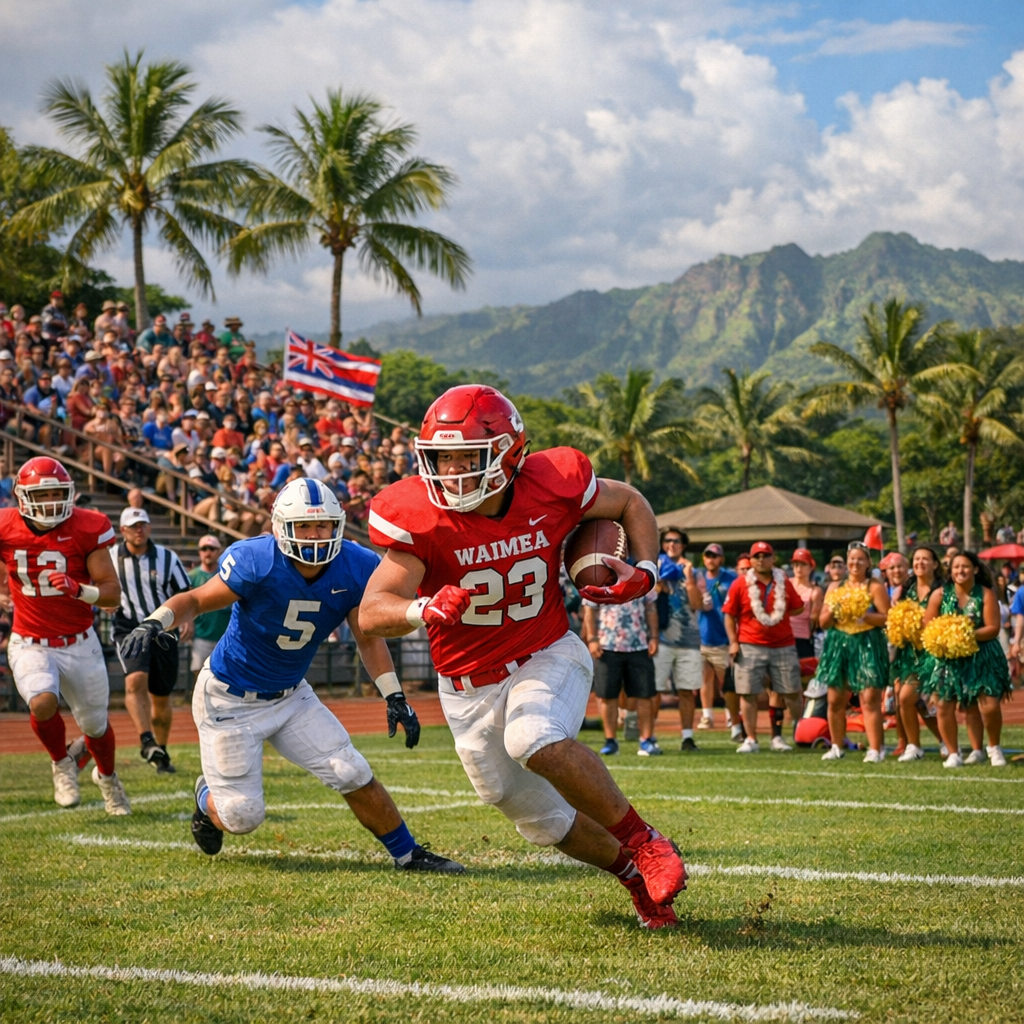
The Hawaii High School Athletic Association (HHSAA) offers a sweeping lineup: traditional sports like basketball, volleyball, and track & field share space with more recent additions like girls’ flag football and esports. The advent of girls’ flag football as a sanctioned sport marked the first major addition in over two decades, signaling a shift toward more inclusive and diversified school athletics.
Another heartening trend: parity between private school leagues like the ILH (Interscholastic League of Honolulu) and public leagues such as the OIA (Oahu Interscholastic Association). While ILH schools historically dominated HHSAA state championships, recent years show increased competition from OIA teams earning titles. Fans are treated to tighter races and new rivalries.
Sports That Reflect Hawai‘i’s Unique Culture
Community-scaled sports reflect the islands’ ties to land and sea. Outrigger canoe racing remains both a competitive and cultural touchstone—it draws international paddlers and benefits local economies. Yet, clubs often face obstacles such as lack of infrastructure.
The Honolulu Marathon—as massive participatory event—continues to unite locals and visitors. It’s a conduit for public health, economic boost, and shared stories. Competitors of all levels come together, cheered on by neighbors and community organizations alike.
What’s at Stake
Beyond wins and losses, Honolulu’s sports ecosystem has dozens of downstream effects. For student-athletes, it offers college access, mentorship, and opportunities to travel. For school communities, sports fuel visibility and school spirit. For Hawai‘i’s economy, high-profile tournaments and large events bring tourism dollars, jobs, and local business support.
Yet challenges remain. Limited field and facility access, unequal resource distribution, and balancing academic obligations with athletic demands are ongoing concerns, especially in less affluent or rural schools. Ensuring all keiki (children) can participate means investing not only in programs but in places—the fields, pools, gymnasiums—that make sports possible.
Looking Forward
The future is bright if we lean into what makes Honolulu sports so special: inclusivity, community connection, and cultural heritage. Supporting infrastructure, sanctioning emerging sports, and spotlighting both team and individual achievements can ensure Honolulu’s sports scene grows in richness and reach.
What happens on our courts, fields, and shores becomes a mirror for what we value as a city—and as a people. And when that reflection shows opportunity, unity, and aloha, everyone benefits.